What is Discrete Manufacturing?
Discrete manufacturing is a type of manufacturing process where distinct items are produced by assembling individual components. This method is characterized by the ability to identify and separate each piece of the product, allowing for assembly and disassembly. The discrete manufacturing definition emphasizes the production of tangible goods, such as automobiles, electronics, and machinery, which can be counted as individual units. This industry is crucial for producing complex products in low volumes, often requiring sophisticated manufacturing technology and discrete manufacturing IT solutions to manage the intricate processes involved.
Understanding the Differences Between Discrete Manufacturing and Process Manufacturing
The difference between process and discrete manufacturing lies primarily in the nature of the products being produced. Discrete manufacturing focuses on assembling distinct items from individual parts, while process manufacturing involves creating products through blending or refining raw materials in batches. For example, discrete manufacturing is used for items like furniture and toys, whereas process manufacturing is typically seen in industries like food and chemicals. This distinction is essential for companies to choose the right manufacturing approach and optimize their manufacturing efficiency.
Examples of Discrete Manufacturing
Some common discrete manufacturing examples include:
- Automobiles: Each vehicle is assembled from thousands of individual parts.
- Electronics: Products like smartphones and computers are made from various components.
- Appliances: Items such as refrigerators and washing machines are produced through discrete manufacturing processes.
These examples illustrate the diversity within the discrete manufacturing industry, showcasing how different sectors utilize this manufacturing method to create complex products.
Trends Shaping the Future of Discrete Manufacturing
Several key trends are shaping the future of discrete manufacturing:
- Digital Transformation: The integration of digital technologies is revolutionizing how discrete manufacturers operate, enhancing productivity and efficiency.
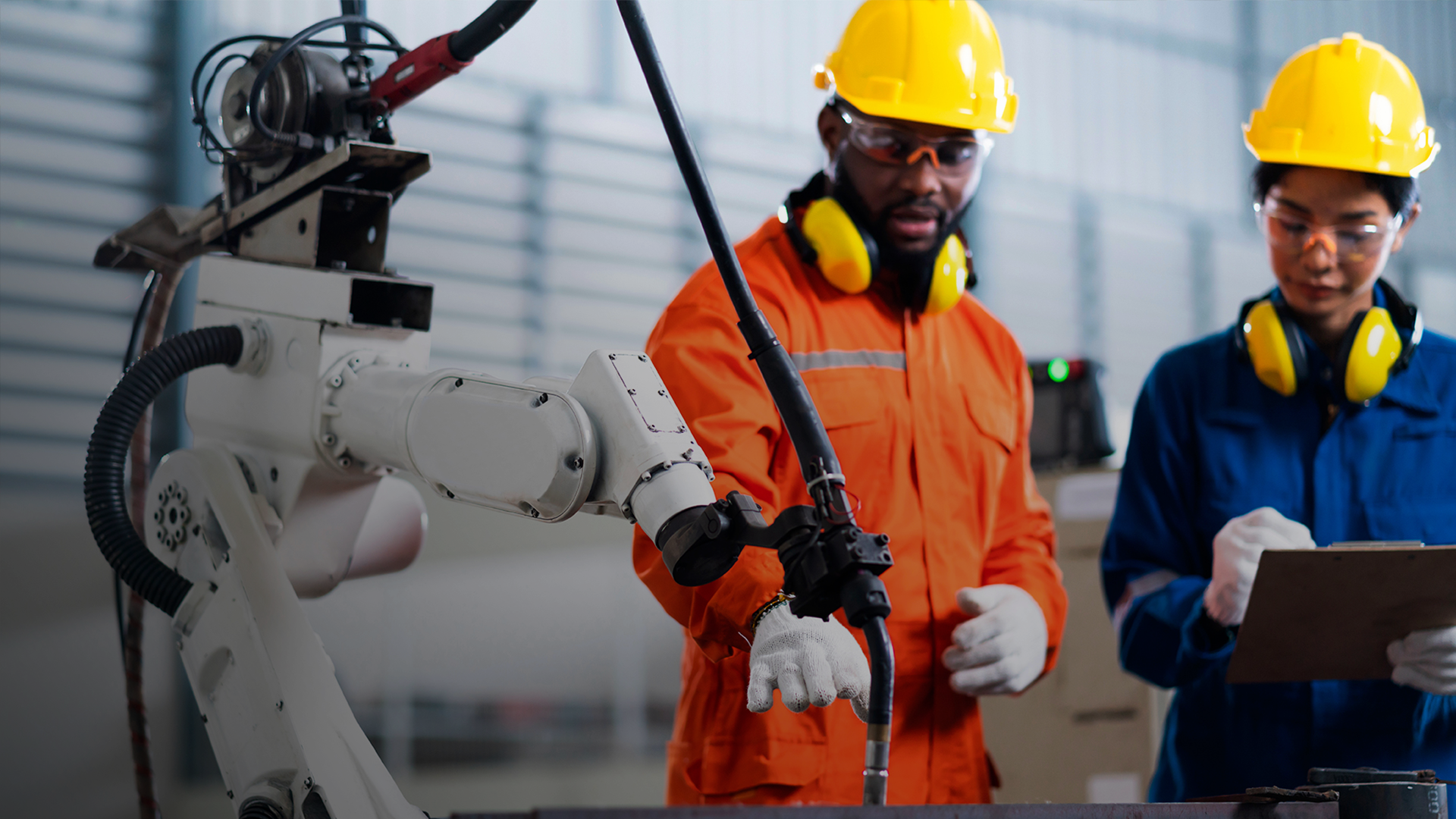
- Automation: Increasing reliance on discrete manufacturing automation is streamlining production processes, reducing labor costs, and improving accuracy.
- Advanced Manufacturing Technologies: Innovations such as 3D printing and IoT are enabling manufacturers to create more complex products with greater flexibility.
These trends are not only improving manufacturing efficiency but also driving the adoption of new discrete manufacturing IT solutions that support these advancements, ensuring that companies remain competitive in a rapidly evolving market.