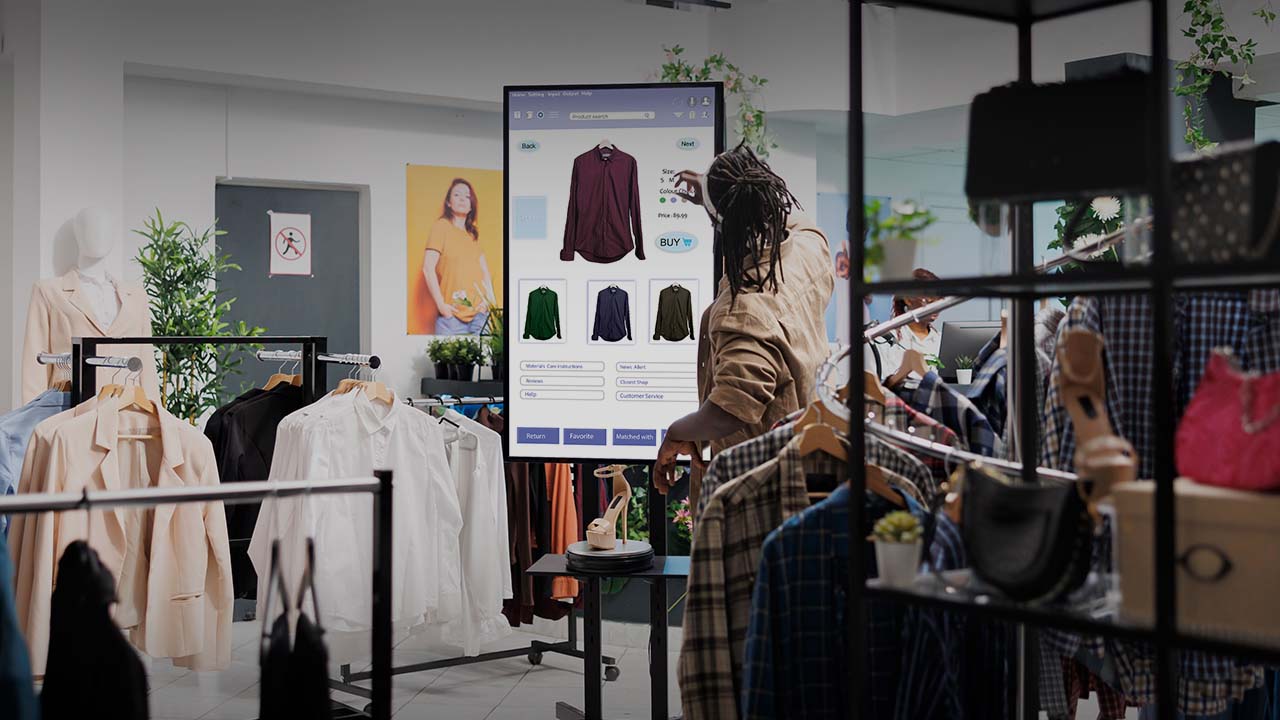
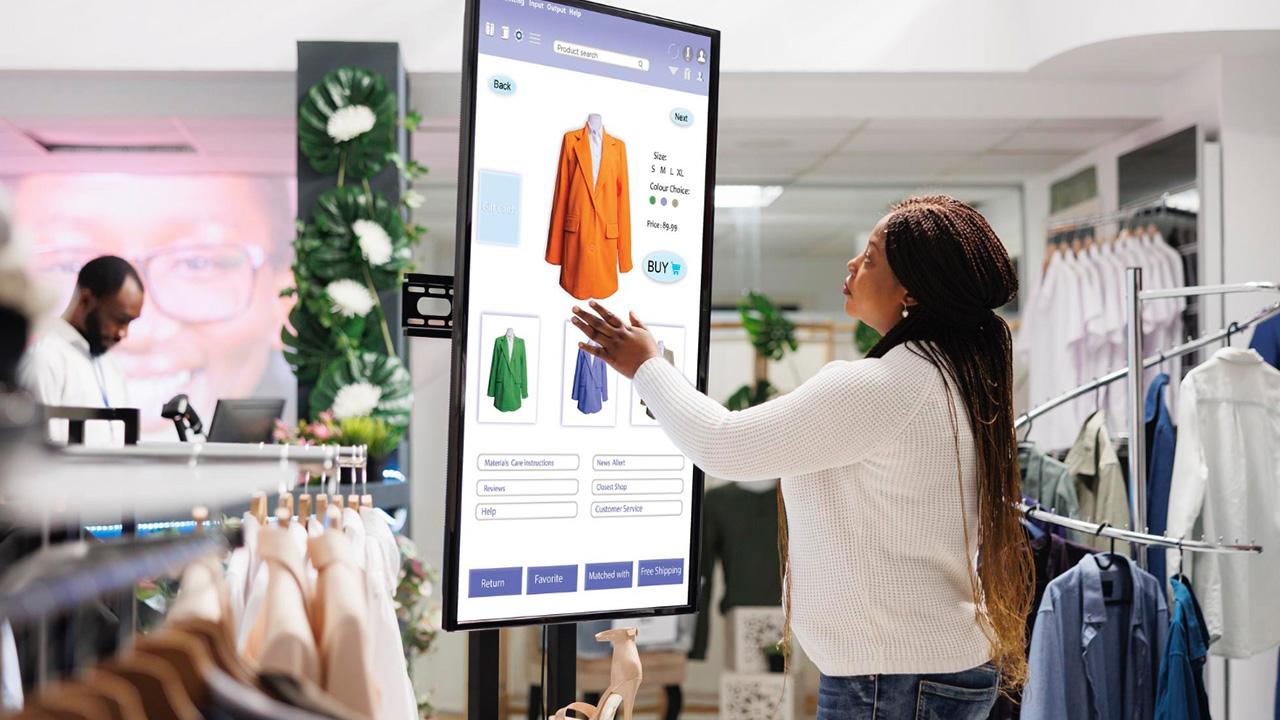
Launching a direct-to-consumer channel often looks simple on paper. Build a website, take orders, ship products, and call it a new revenue stream. But in reality, D2C represents a much deeper transformation. A successful D2C strategy for CPG brands requires rethinking how the business operates, who owns the customer relationship, and what capabilities the brand must build to remain competitive.
For decades, retailers handled most of the operational heavy lifting. They managed inventory, showcased products, processed payments, fielded customer questions, and handled returns. CPG brands focused on manufacturing, distribution, and marketing—while retailers controlled the customer experience.
Going direct changes everything. A D2C brand now owns the entire journey, from the first website visit through post-purchase support. And today’s customers don’t compare the experience to the grocery aisle—they compare it to subscription-first companies, and digitally native direct-to-consumer brands that set the benchmark for convenience.
This article focuses on the operational and strategic realities behind D2C operations for CPG brands. This isn’t about technology architecture; it’s about the business capabilities required to run a D2C channel that performs reliably on a scale.
What Customers Expect from a D2C Customer Experience
The standard for online shopping has been set by companies that specialize in e-commerce. When customers buy directly from a CPG brand’s site, they expect that same level of excellence.
Seamless Ordering and Real-Time Tracking
Customers demand transparency. They want:
- Real-time order updates
- Accurate delivery estimates
- Proactive notifications
- Reliable tracking numbers
If a package is delayed, damaged, or missing, customers expect the brand—not the carrier—to alert them and fix the issue quickly. This is core to a premium D2C customer experience.
Flexible Fulfillment Options
Today’s customers expect more than standard shipping. A modern D2C channel must provide:
- Expedited delivery
- Gift shipments
- Multiple shipping speeds
- Easy recurring order management
Some shoppers prefer a one-time purchase, while others want the convenience of a D2C subscription model that offers discounted pricing and predictable deliveries. The brand must support both behaviors.
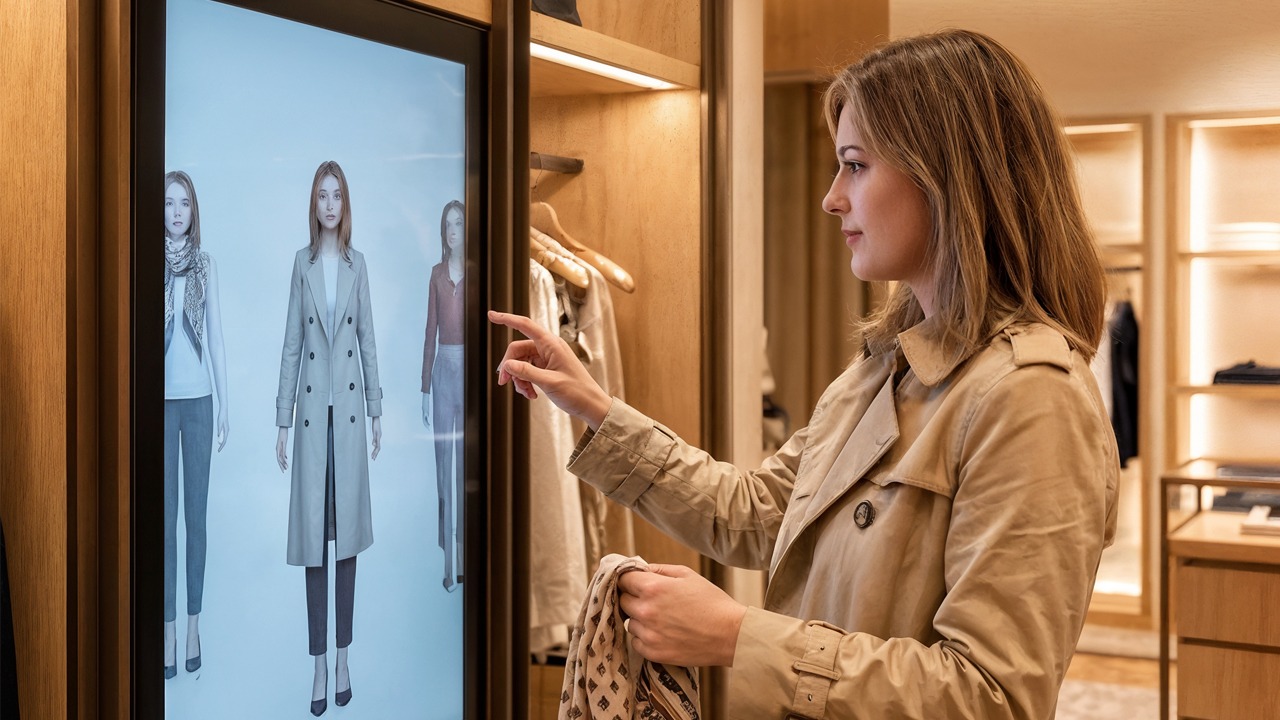
Personalized Experiences
Retail stores treat every shopper the same. D2C brands must do the opposite. Customers expect:
- Personalized recommendations
- Tailored content
- Recognition as repeat visitors
To deliver this level of e-commerce personalization, brands need customer data platforms, recommendation engines, and automated marketing journeys that send the right message at the right moment.
Direct Customer Service
In the retail model, customers asked the store for help. In D2C, they ask the brand directly. And they expect fast, knowledgeable responses across phone, email, and chat.
They also expect customer service agents to have full visibility into order history so they don’t need to repeat their issues multiple times. When brands deliver exceptional support, D2C becomes a loyalty engine—not a cost center.
But the operational lift is substantial. Many CPG companies underestimate the effort required to build a great D2C customer experience.
Building Direct Customer Relationships Through Loyalty
One of the most compelling reasons CPG brands move into D2C is the ability to finally build direct customer relationships. Retailers own the transaction data; D2C puts the data back in the hands of the brand.
Why Loyalty Matters
Strong customer loyalty programs do three things:
- Increase customer lifetime value
- Strengthen emotional connection
- Encourage data sharing
Emails, preferences, purchase behavior, and feedback create a powerful data asset that informs everything from product development to marketing.
What Modern Loyalty Looks Like
Effective loyalty programs go beyond simple point systems. They include:
- Tiered membership benefits
- Exclusive early access
- Personalized incentives
- Subscription-related perks
Subscription-first direct-to-consumer brands have shown how loyalty and recurring revenue reinforce each other. CPG brands can replicate this success.
Learning from Customers
The true value of loyalty isn’t the discount—it’s the insight. First-party data reveals:
- Which products drive repeat sales
- What customers care about (ingredients, sustainability, allergens)
- What messaging resonates
- Where customers struggle in the experience
Treating loyalty as a data strategy—not a marketing tactic—creates long-term competitive advantage.
Order Management and Fulfillment Complexity
In retail, fulfillment feels effortless because retailers handle it. When a brand goes direct, fulfillment becomes one of the most complex aspects of D2C operations for CPG brands.
What Order Management Actually Involves
Every order triggers a chain of operations:
- Validating real-time inventory
- Routing to the best fulfillment center
- Reserving inventory
- Generating pick/pack instructions
- Creating shipping labels
- Sending customer notifications
- Handling exceptions
Subscription orders add even more complexity, like scheduling recurring shipments, retrying failed payments, managing changes, and preventing disruptions.
Effective order management systems are essential. Without them, customer experience suffers, and service teams drown in manual fixes.
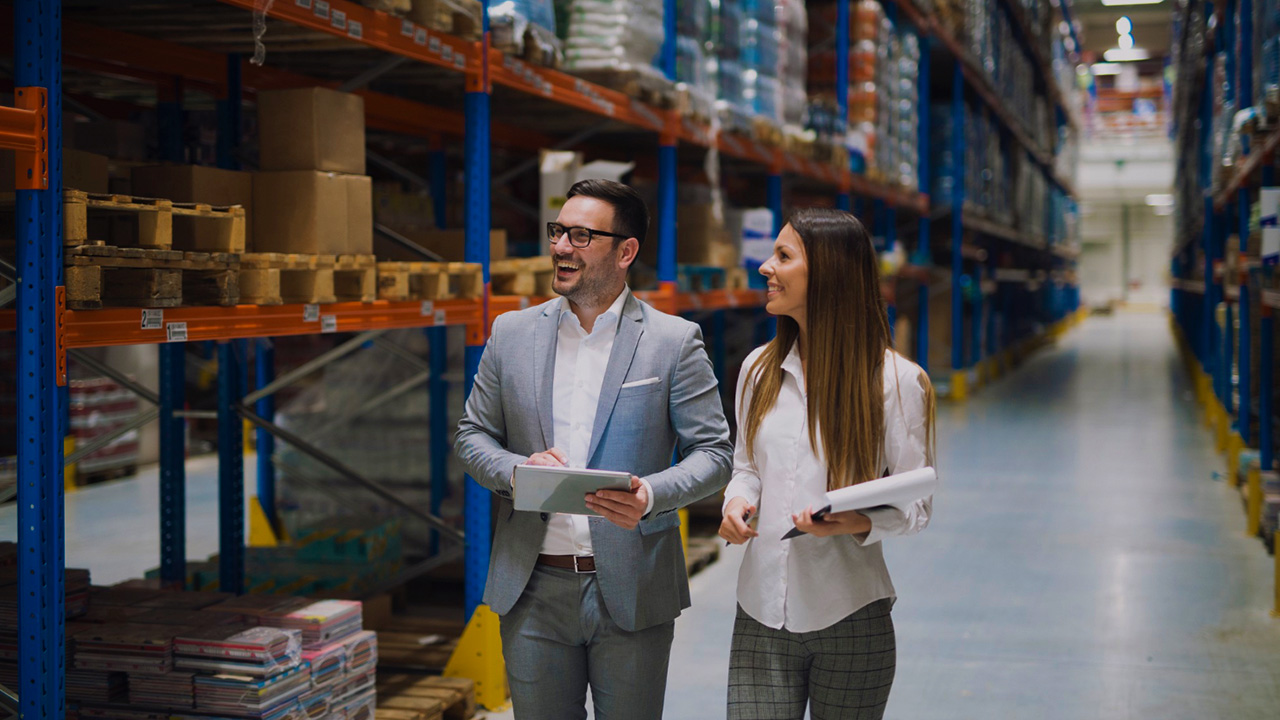
Multi Warehouse Fulfillment Routing
Many CPG brands use 3PL partners with multiple warehouse locations. The order management system must determine:
- What ships from where
- How to minimize cost
- How to reduce delivery time
- How to avoid split shipments
If routing decisions aren’t automated and accurate, operational costs rise and customer satisfaction drops.
Returns and Exchanges
Traditionally, customers returned products to the store. D2C shifts responsibility to the brand. Returns now require:
- Reverse logistics
- Warehouse inspection workflows
- Automated refunds or exchanges
- Real-time customer communication
A clear, customer-friendly returns policy boosts trust—but requires operational discipline behind the scenes.
Integrating with 3PL Partners
Seamless integration with fulfillment partners is vital. Systems must:
- Sync inventory
- Push orders in real time
- Receive shipment confirmations
- Update tracking information
When integrations break, orders stall, inventory goes out of sync, and customer service teams become unhappily familiar with spreadsheets.
Direct Customer Service: A New Operational Requirement
Retailers used to shield brands from customer complaints. With D2C, customers contact the brand directly—and the emotional stakes are higher.
Common Questions
Most inquiries fall into four buckets:
- Product information
- Order issues
- Subscription management
- Returns and refunds
Agents need a CRM connected to order data and inventory to resolve issues quickly.
Building the Capability
Brands must decide whether to:
- Build in-house customer service
- Partner with outsourced specialists
Regardless of the model, the service function needs:
- CRM tools
- Order visibility
- Knowledge base content
- Omnichannel communication
- Well-defined SLAs
The Emotional Weight of D2C
When a store makes a mistake, customers blame the retailer. When a D2C brand makes a mistake, customers blame the brand directly. Conversely, when issues are resolved promptly and with care, loyalty increases dramatically.
The Technology Foundation
All these capabilities rely on modern technology. Loyalty requires customer data platforms. Fulfillment requires robust order management systems. Personalization requires data unification. Customer service needs CRM tools.
Many CPG brands start D2C by bolting a Shopify site to an ERP. It works at first, but becomes fragile as the business grows.
Composable architecture—modular services connected through APIs—is the modern approach. It allows D2C strategy for CPG brands to scale across multiple channels—D2C, B2B portals, marketplaces, and more—without rebuilding every time.
Getting Started: What to Prioritize
Brands don’t need to build everything at once. The key is sequencing.
Phase 1: Get the Basics Right
- Accurate inventory
- Reliable fulfillment
- Real-time tracking
- Foundational customer service
- A complete product catalog
Without these, nothing else matters.
Phase 2: Build Engagement and Retention
- Launch loyalty programs
- Introducing subscription offerings
- Enable basic personalization
- Capture first-party data
This layer improves retention and strengthens customer insights.
Phase 3: Scale Across Channels
Once D2C stabilizes:
- Expand into marketplaces
- Launch B2B portals
- Explore social commerce
- Reuse backend capabilities across channels
Composable systems make this growth significantly easier.
Conclusion
D2C is much more than a website. It represents a shift in ownership, operations, and customer relationships. Customers expect frictionless ordering, flexible fulfillment, real-time tracking, personalized experiences, and exceptional support—all capabilities that require planning, investment, and operational discipline.
Brands that understand the realities of D2C operations for CPG brands build systems that scale. They don’t just launch a D2C channel; they build the foundation for multi-channel growth and long-term customer relationships.
If your organization is planning a D2C launch or looking to scale an existing channel, we can help. Our expertise in CPG digital transformation ensures strategies grounded in operational reality—not just marketing ambition.