What is Industry 4.0?
Industry 4.0 is commonly used to describe how digital technologies are changing the way industries operate, especially manufacturing. The Industry 4.0 definition focuses on bringing together machines, systems, and data, so they can work in a more connected and intelligent way. With the right Industry 4.0 strategy, organizations move away from manual processes and disconnected systems toward smarter, more responsive operations, which is particularly important in manufacturing industry 4.0 environments.
What Are the Key Components of Industry 4.0?
At the core of Industry 4.0 is an Industry 4.0 framework that connects technology, data, and operations. The main components include:
- Connected machines and sensors that capture real-time data
- Cyber-physical systems that link physical equipment with digital control
- Cloud and edge platforms that store and process industrial data
- Data analytics tools that help teams understand performance and trends
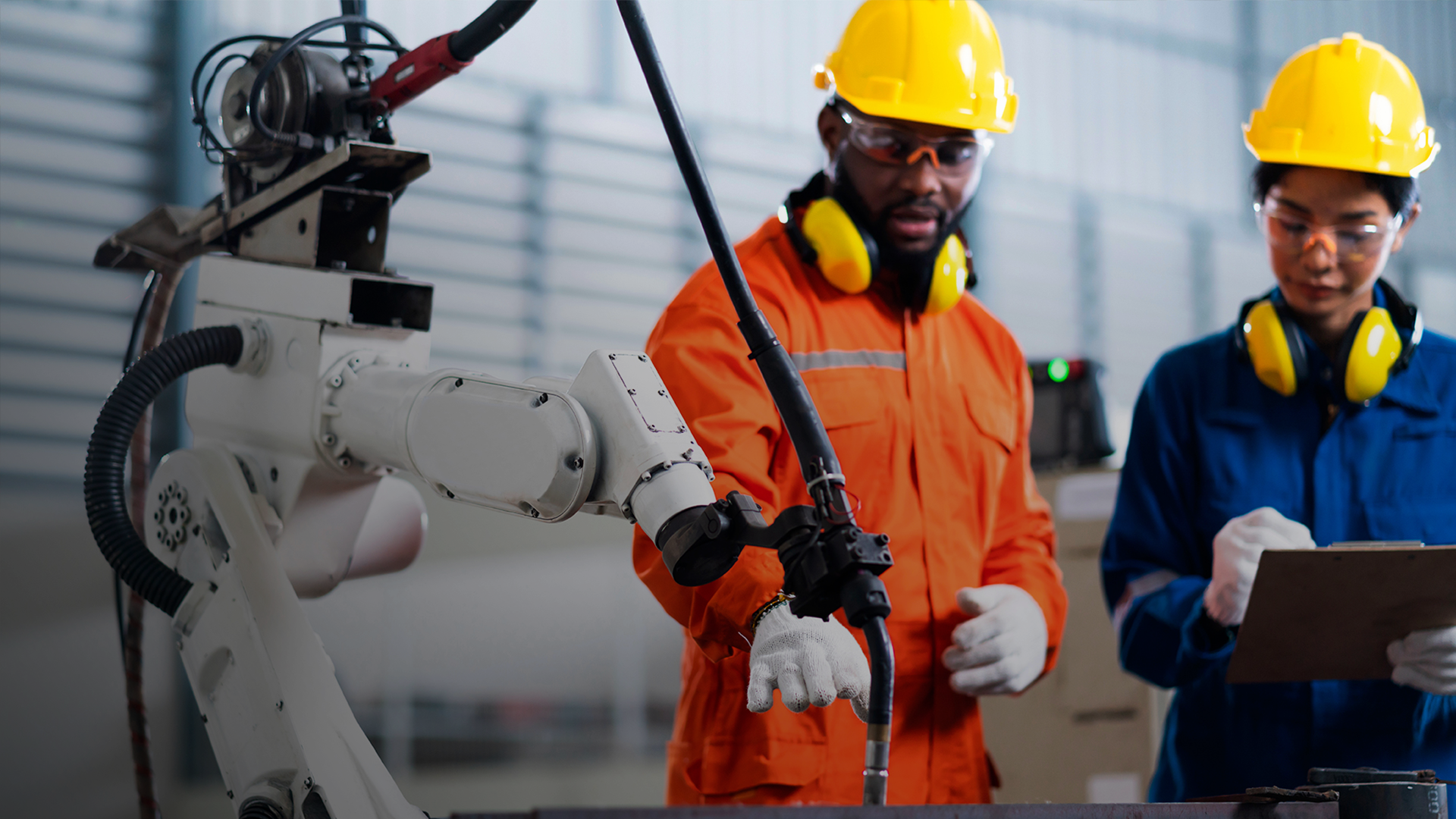
- Automation and robotics that reduce manual effort and improve accuracy
- Digital twins that allow systems to be monitored and tested virtually
Together, these elements support gradual and scalable Industry 4.0 transformation.
What is the Role of Artificial Intelligence (AI) in Industry 4.0?
Artificial intelligence in Industry 4.0 helps industrial systems go beyond basic automation. AI is used to spot patterns in data, predict equipment issues, improve quality checks, and support better planning decisions. Instead of reacting to problems after they occur, AI allows teams to act earlier and with more confidence, making Industry 4.0 transformation more practical and effective.
What Are the Benefits of Industry 4.0?
The most visible Industry 4.0 benefits include better operational efficiency, less downtime, improved product quality, and lower costs over time. It also helps organizations respond faster to changing demand and manage complex supply chains more effectively. Many companies rely on specialized Industry 4.0 services to support adoption, integration, and long-term optimization.